The bombing of Rotterdam: the heart broken, the spirit strengthened
On 14 May 1940, Rotterdam changed forever. In just thirteen minutes, a large part of the historic city centre was destroyed by a German bombardment. Nearly 80,000 Rotterdammers were left homeless and hundreds of people lost their lives. Yet it was precisely this destruction that laid the foundation for the modern Rotterdam we know today.
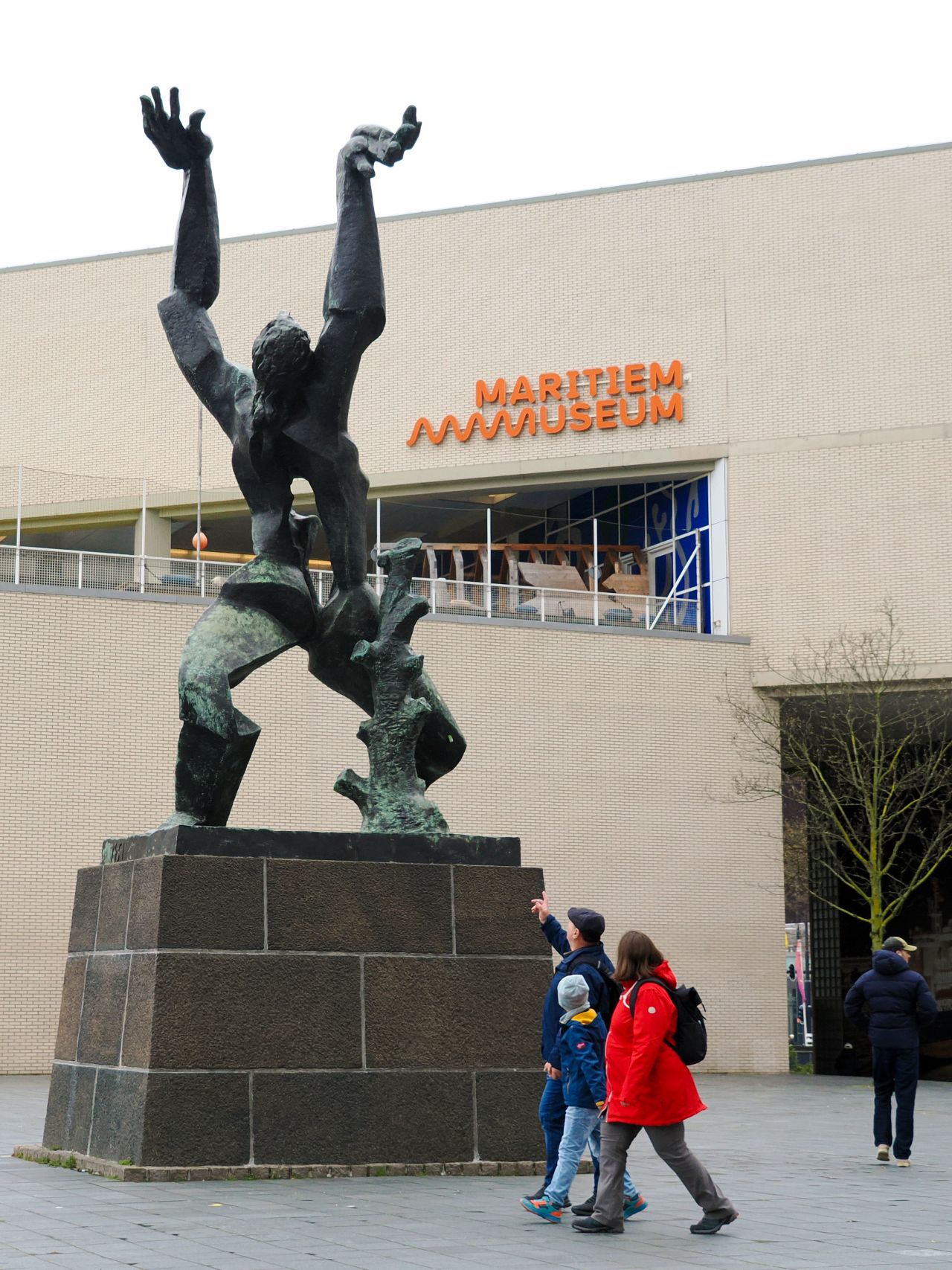
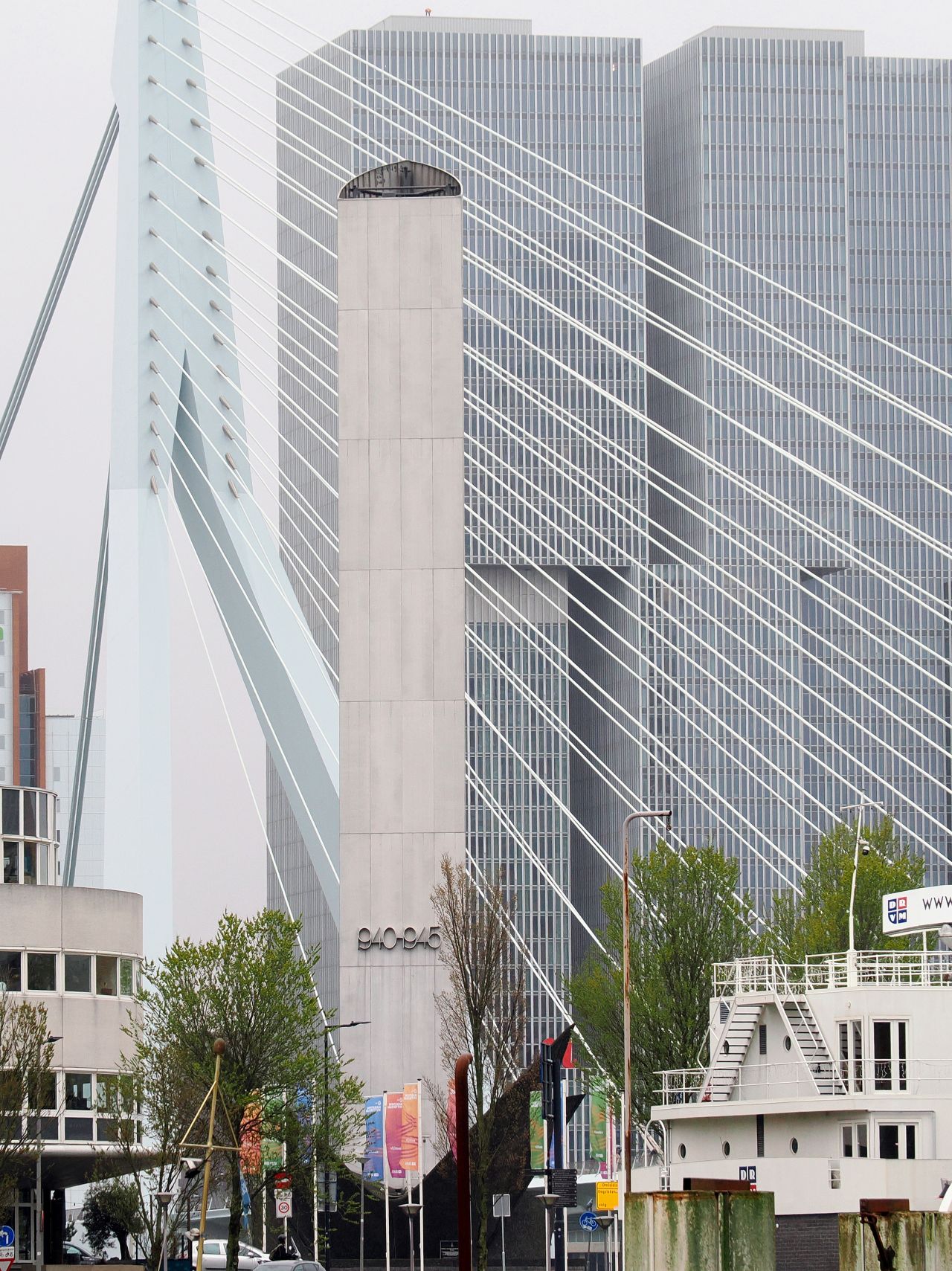
The Maritime Museum stands at the heart of this story. Quite literally built on the rubble of historic Rotterdam, the museum is situated between two monuments that commemorate the Second World War. To the north stands 'The Destroyed City' by Ossip Zadkine, symbolising the bombing of May 1940. To the south stands 'The Bow' by Frederico Carasso, representing the reconstruction and rebirth of the Netherlands.
Thirteen minutes that changed Rotterdam forever
In May 1940, Rotterdam offered unexpectedly fierce resistance to the German army, particularly around the bridges over the River Maas. When the city did not immediately surrender, the German military command issued an ultimatum: capitulation or bombardment.
On the morning of 14 May, around ninety German Heinkel 111 bombers took off towards Rotterdam. Due to poor communication, the bombardment ultimately went ahead. Around 1:30 p.m., nearly 100,000 kilograms of bombs were dropped on the city. In less than fifteen minutes, six centuries of urban history were largely wiped away. More than 24,000 homes, dozens of churches and large parts of the old city centre were destroyed. Later that same day, Rotterdam surrendered. One day later, the Netherlands capitulated.
The city rises again
In the centre of Rotterdam, almost everything was destroyed. A few buildings, including the White House (Witte Huis), were spared.
Although the city centre suffered the heaviest damage, the port remained largely intact. At that time, the Port of Rotterdam had already been Germany’s most important harbour for more than half a century. Large quantities of goods and raw materials passed through Rotterdam to and from Germany, making the port of great economic and strategic importance to Nazi Germany. In addition, the harbour could later play a key role in the planned invasion of England, better known as Operation Sea Lion (Unternehmen Seelöwe).
After the war, the rubble of the old city was used in the reconstruction of Rotterdam. In this way, the bombing quite literally became the foundation of the modern city as we know it today.
Images and objects related to the bombing of Rotterdam
Within the collection of the Maritime Museum, together with borrowed photographs, are remarkable pieces that bring this story to life:
The fire boundary in the city, showing where the bombs fell
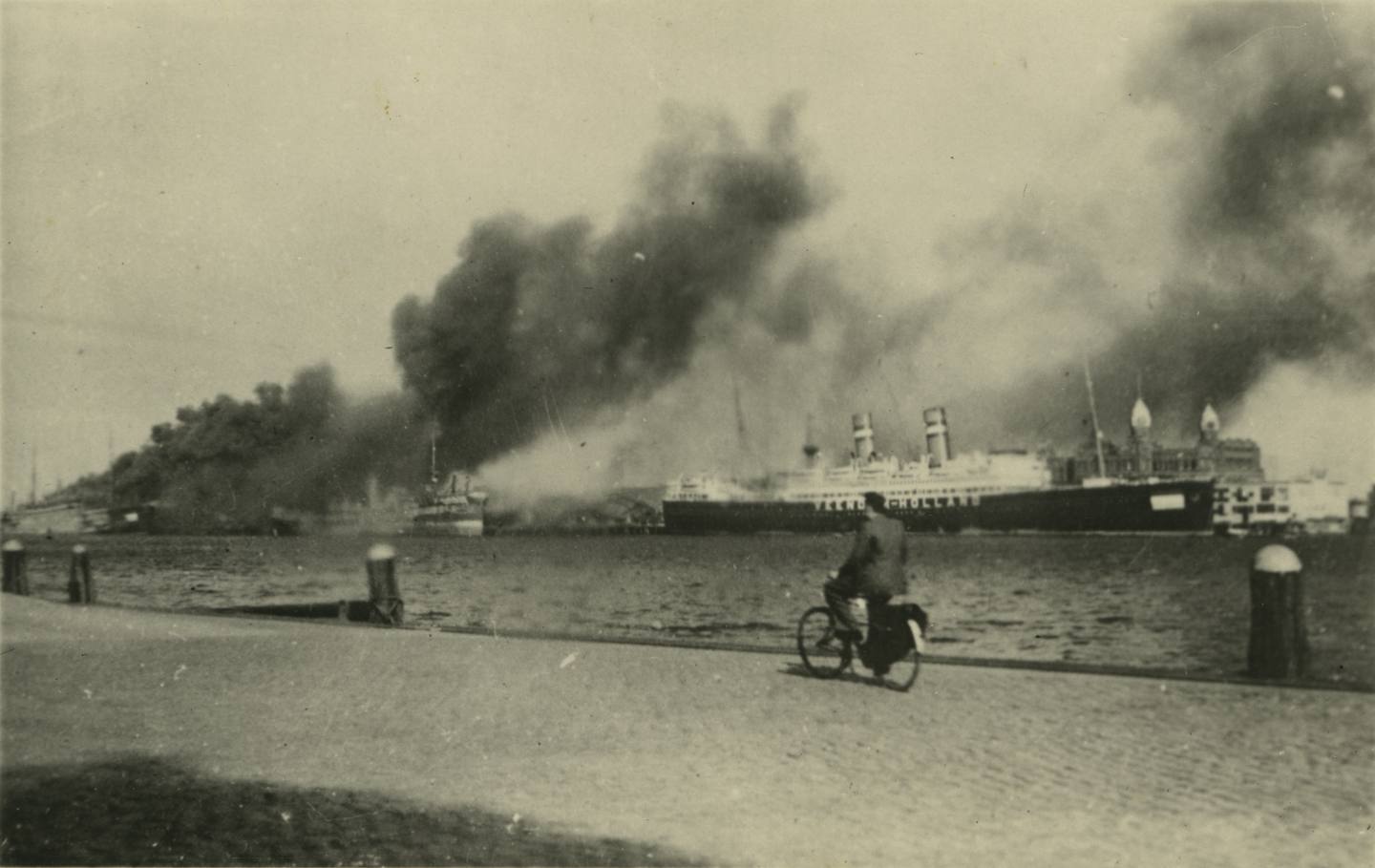
A photograph of the bombardment on 14 May 1940
The pocket watch of harbour worker Matthijs Rotgans, struck by a bullet and stopped forever
The burning s.s. Statendam III at the Wilhelminapier
The White House (Witte Huis), miraculously spared from destruction
The ruined Laurenskerk after 14 May 1940
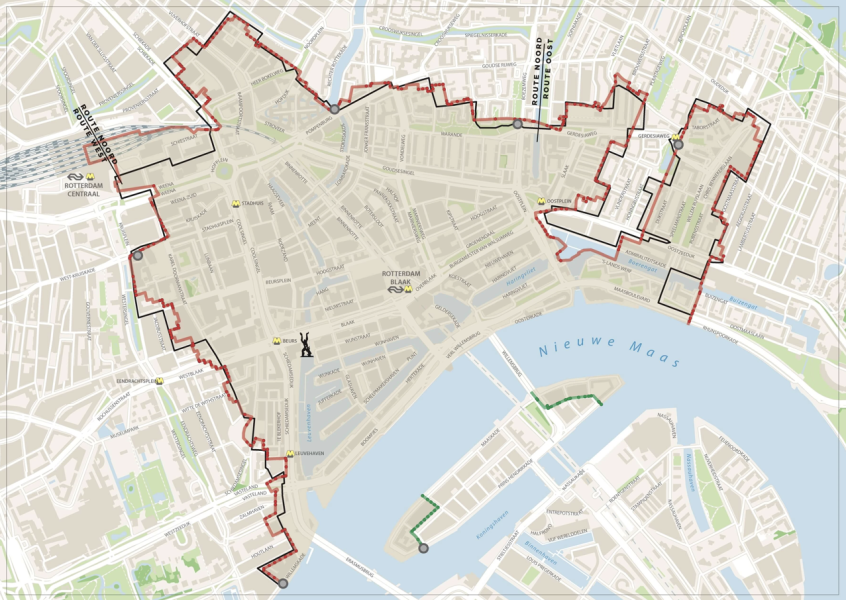 Fire boundary
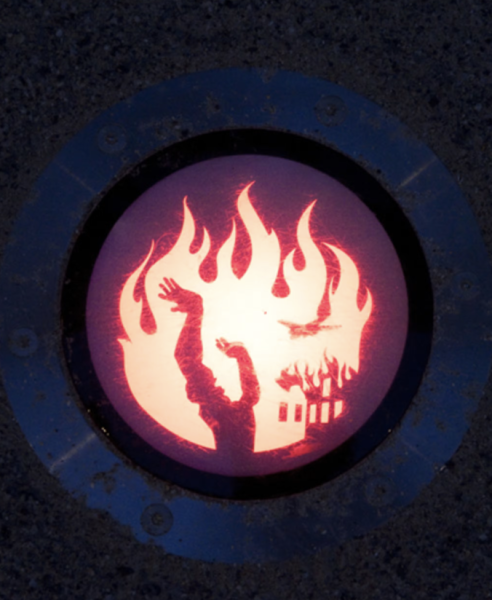 Lights in the city, showing where the bombs fell
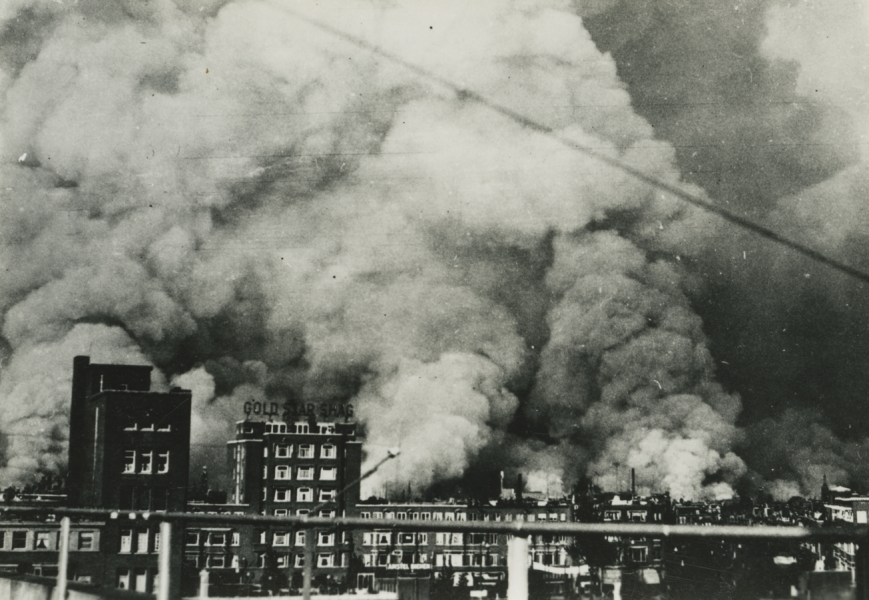 Rotterdam during the bombardment
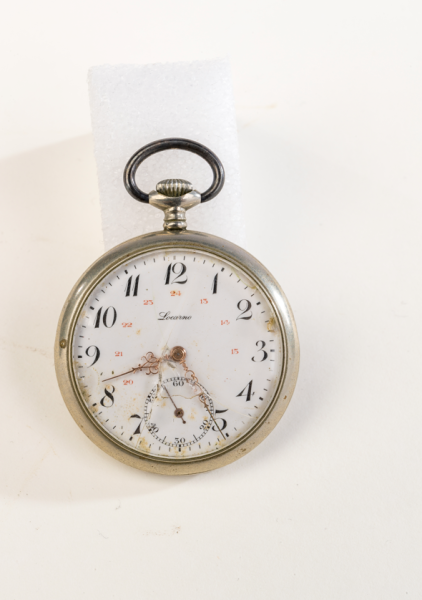 The pocket watch of harbour worker Matthijs Rotgans
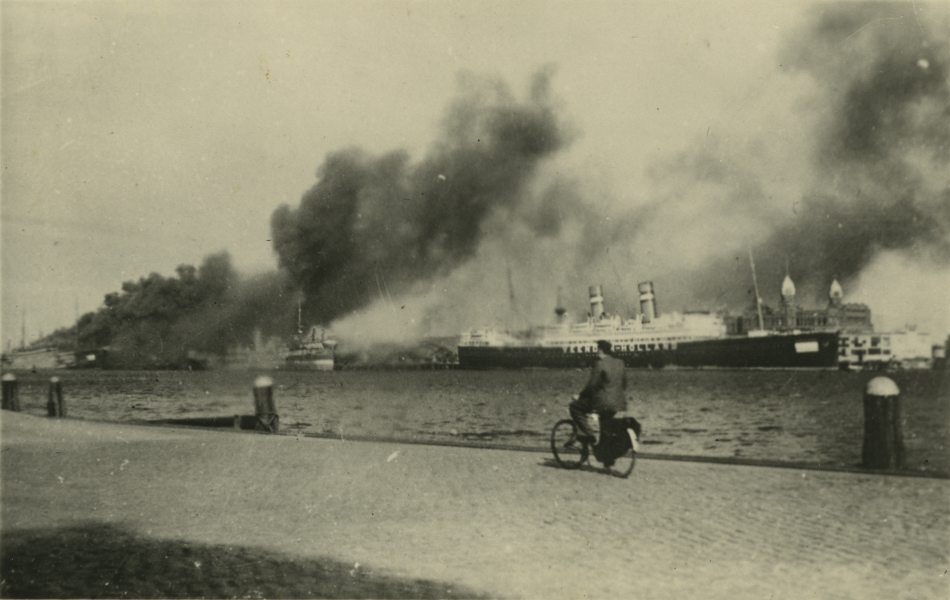 The burning s.s. Statendam III at the Wilhelminapier
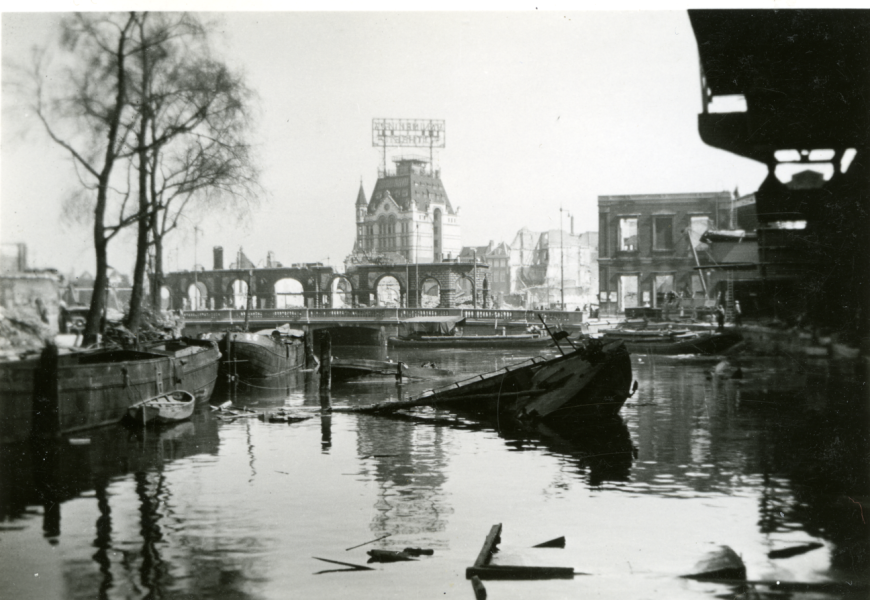 The White House (Witte Huis)
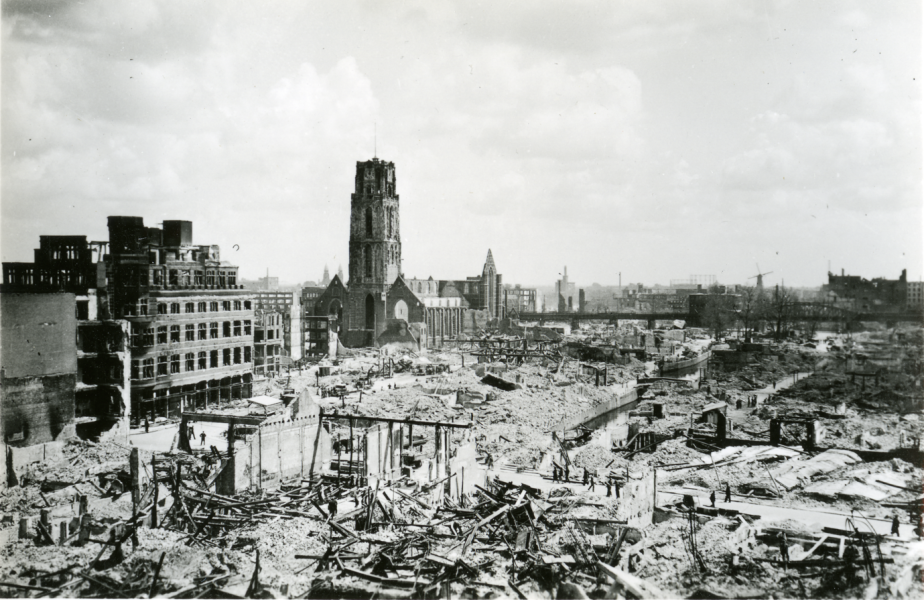 The ruined Laurenskerk after 14 May 1940
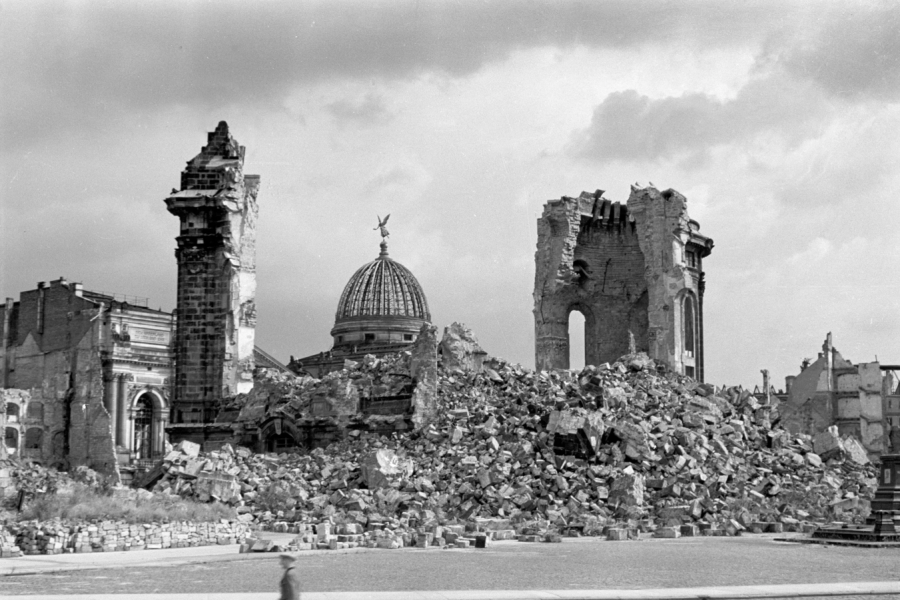 The 'Frauenkirche' after the bombardment